Picture this: it's the end of the quarter, and your team is scrambling to collect VAT packs from clients. You’ve sent countless emails, but responses are slow, and some clients still haven’t submitted their documents. The clock is ticking, and the pressure is mounting. This scenario is all too common in accounting firms, where document collection often turns into a frantic chase rather than a smooth process.
If your firm is stuck in this cycle, it's time to rethink how you manage client document collection. Streamlining this process not only saves time but also improves client relationships and reduces stress for your team.
Implement a Centralised Client Portal
Using a centralised client portal can drastically reduce the chaos of email chains and lost documents. A good portal allows clients to upload their files directly, ensuring everything is in one place. This eliminates the need for back-and-forth emails and provides a clear timeline for submissions. Make sure the portal is user-friendly; if clients struggle to navigate it, they might avoid using it altogether.
Consider integrating your portal with your practice management system. This way, you can automatically track submissions and send reminders, keeping both your team and your clients informed.
Set Clear Deadlines and Reminders
One of the biggest pitfalls in document collection is a lack of clear deadlines. Clients often need guidance on when to submit their documents. By setting specific deadlines, you create a sense of urgency. But don’t stop there; use automated reminders to nudge clients as the deadlines approach. This can be as simple as a weekly email or a notification through your client portal.
Be clear about the consequences of late submissions. Clients need to understand how delays can affect their accounts and your ability to deliver timely services.
Standardise Document Requirements
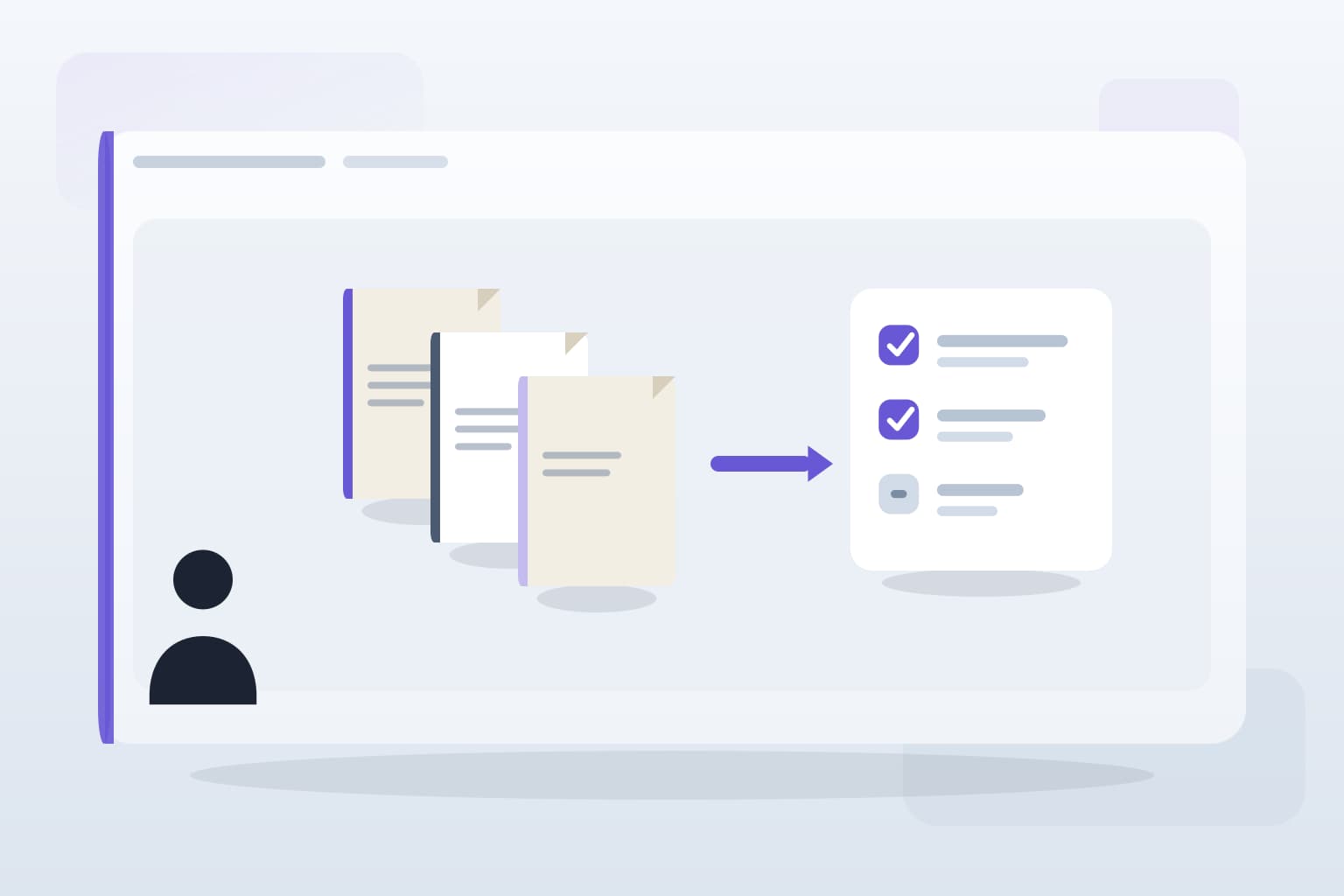
Confusion over what documents are needed can lead to incomplete submissions. Create a standard checklist for each type of document required, whether it’s for year-end accounts or ongoing bookkeeping. Share this checklist with clients upfront, so they know exactly what to provide.
You might also consider creating templates for common documents, such as expense reports or income statements. This not only speeds up the collection process but also ensures consistency in the information you receive.
Regularly Review Your Process
Finally, don’t forget to regularly review your document collection process. Gather feedback from your team and clients to identify bottlenecks or areas for improvement. Perhaps clients find the portal cumbersome, or your reminders aren’t effective. By staying attuned to these insights, you can continuously refine your approach.
Consider leveraging tools that provide analytics on document collection. Understanding which documents are most often delayed can help you address specific issues proactively.
Key takeaways
What to remember
The points worth carrying into your next pack cycle or process review.