"Accounting automation" gets sold as a vibe. Dashboards. AI. Magical month-end. On the ground, the win is blunter: fewer emails asking for the same PDF, fewer spreadsheet trackers, fewer late nights before a filing date.
If a tool does not change how documents arrive, how work is assigned, or how status is shared, it is unlikely to change your margins.
Start with the work that repeats every week
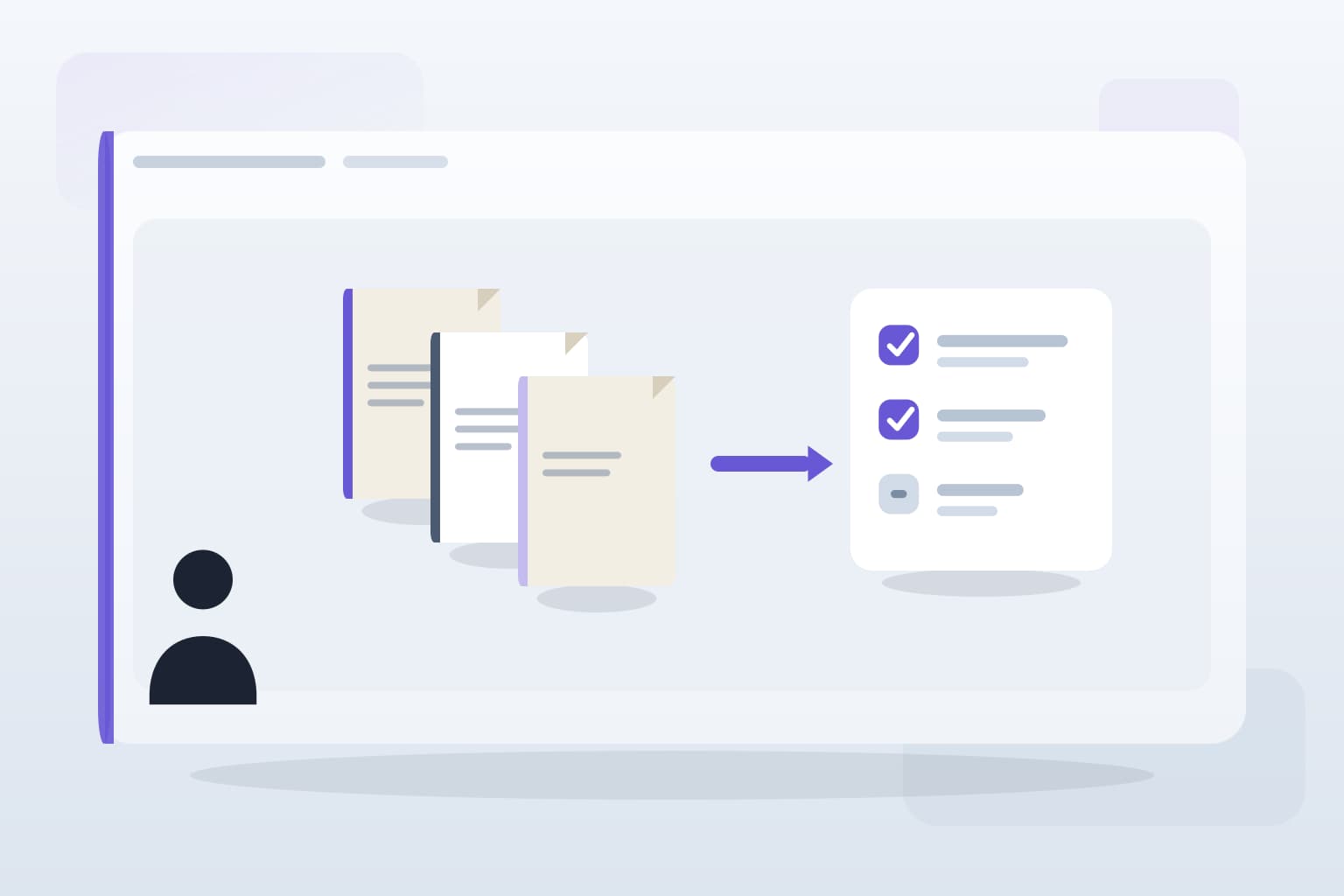
Look at client document requests, onboarding packs, internal review queues, and deadline chasing. Those are high-volume, rules-based, and painful when they fail.
Leave judgment-heavy advisory work alone. Automating the boring spine of the practice is what frees partners to do the work clients actually pay premium rates for.
One source of truth beats five clever tools
Many firms already have practice software, accounting ledgers, email, and a graveyard of half-used apps. Adding another login rarely helps.
Aim for a single operational view: what is outstanding, who owns it, what is due. Integrations should push data into that view, not create parallel trackers.
Pilot one workflow end to end
Pick monthly bookkeeping clients, VAT, or year-end packs. Map the steps. Build or configure until that path runs without heroics. Then expand.
Big-bang "transform the firm" projects stall because nobody can feel progress. A finished workflow teaches the team what good feels like.
How you know it worked
Chase volume drops. Review queues are visible. New joiners can follow the process without a six-month tribal knowledge download.
If partners still keep private lists in Outlook, the system is not trusted yet. Fix trust and clarity before you buy the next module.
Key takeaways
What to remember
The points worth carrying into your next pack cycle or process review.