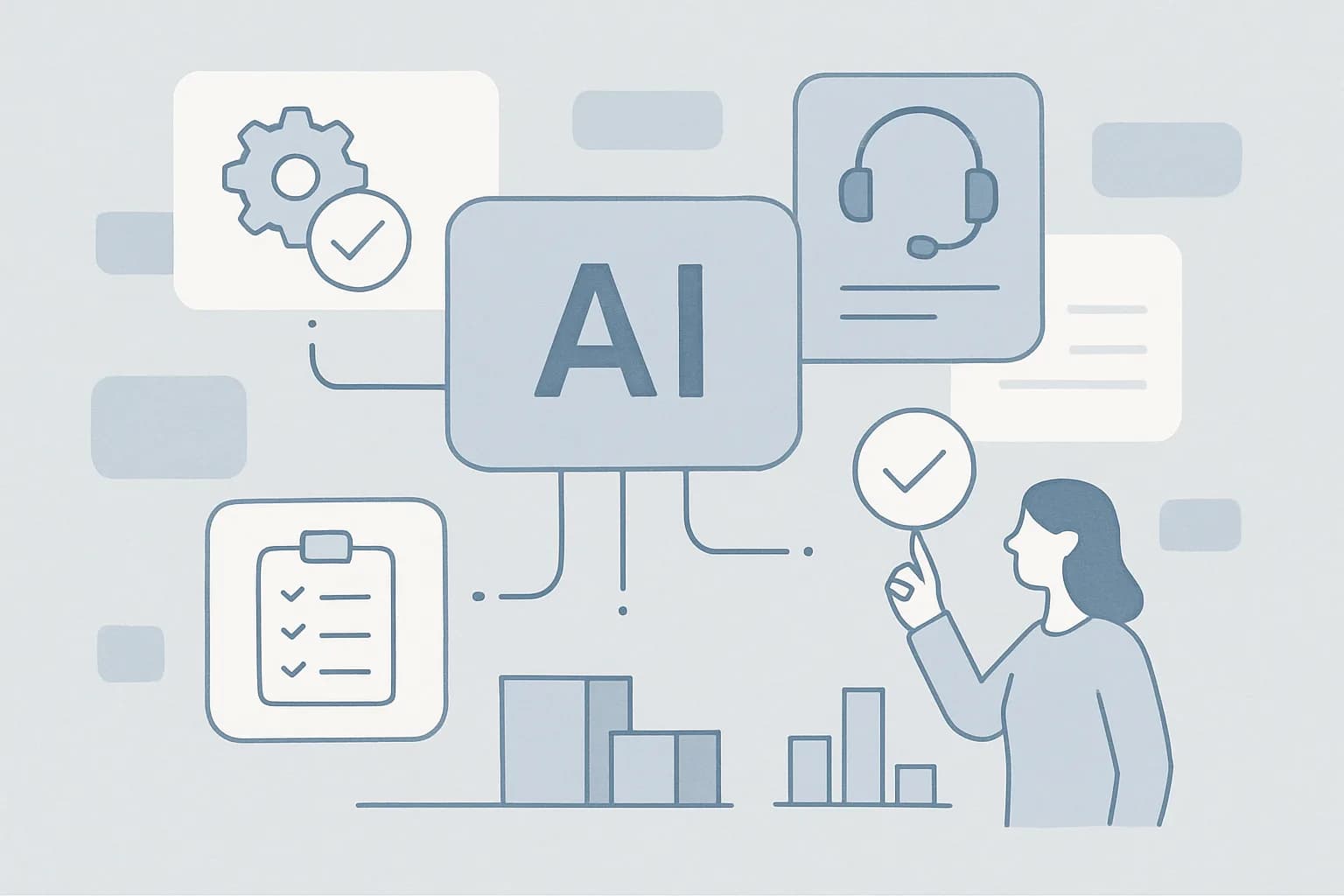
Most small businesses do not need an "AI strategy". They need fewer hours lost to copying data, chasing replies, and digging through inboxes.
Treat AI as a helper inside a clear process. If the process is chaos, AI will scale the chaos.
Drafting and triage, not fake customer service
Good uses: draft replies, summarise long email threads, turn meeting notes into action lists, classify inbound enquiries so the right person sees them first.
Weak uses: letting a chatbot invent answers about pricing, contracts, or regulated advice. Keep a human in the loop where mistakes cost trust.
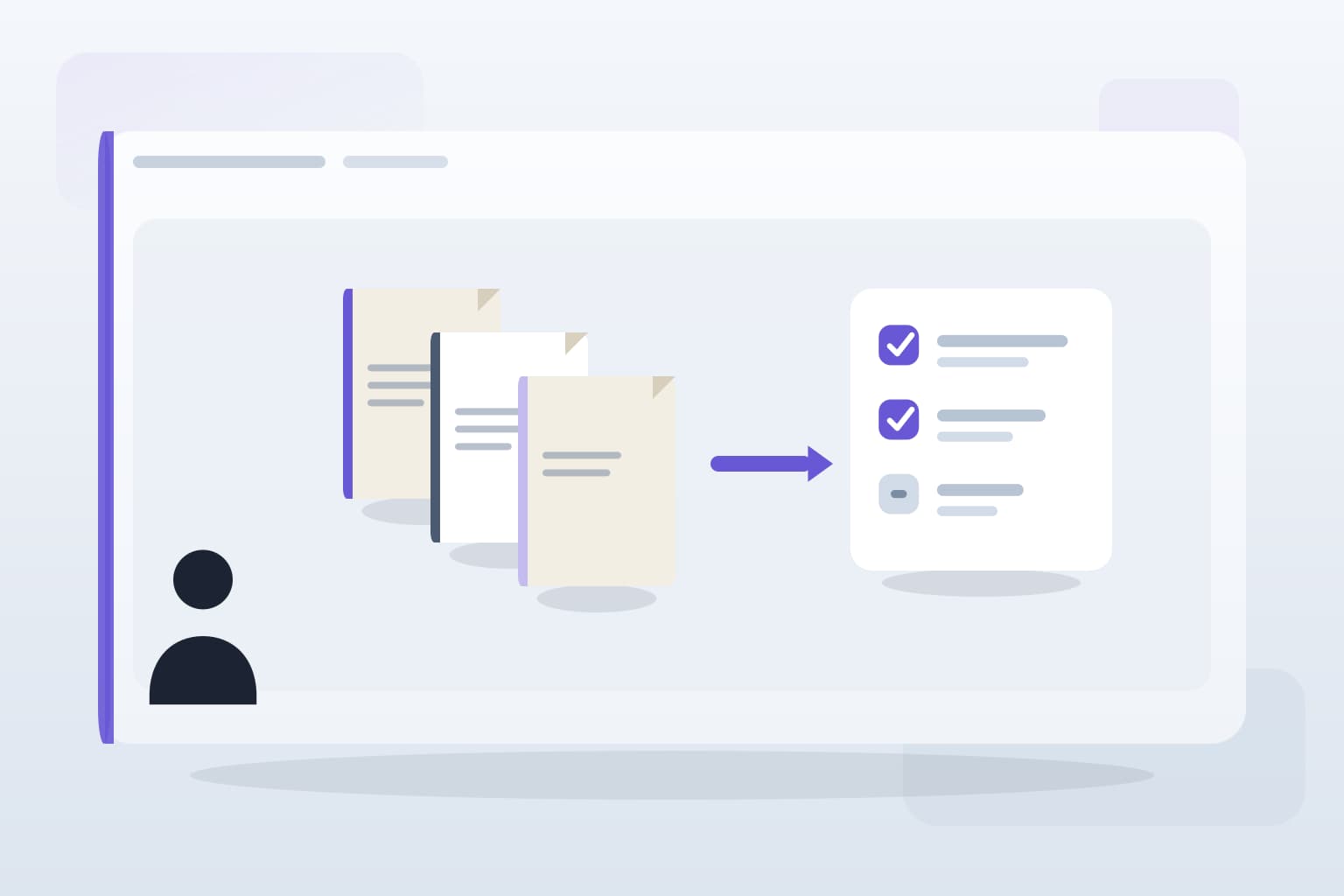
Document grunt work
Extracting fields from invoices, spotting missing items in a client pack, and suggesting next chase wording are dull and valuable. That is where AI earns its keep in operations-heavy firms.
Always check outputs before they hit a client or a ledger. Speed without review is how errors spread faster.
Internal search across your own systems
Teams waste time asking "where is the latest version?". AI search over your approved docs and tickets can help, provided permissions are tight.
Do not dump every random Drive folder into a model and call it knowledge management.
What to ignore for now
Skip vanity copilots that nobody opens twice. Skip tools that cannot connect to the systems you already run. Skip anything you cannot explain to a new starter in five minutes.
If you want one rule: automate the repeatable path first, then add AI where judgment is light and volume is high.
Key takeaways
What to remember
The points worth carrying into your next pack cycle or process review.