Picture this: a new client signs up, and instead of a smooth onboarding process, your team is drowning in emails, WhatsApp messages, and endless document requests. This chaos not only frustrates your staff but also delays the start of your work. For many accounting firms, the onboarding process is a bottleneck, leading to wasted time and lost revenue.
If your practice is struggling with client document collection and communication, you’re not alone. Many firms face the same challenges, often resulting in partners spending valuable time chasing down paperwork instead of focusing on client relationships and strategic growth.
Centralise Document Collection
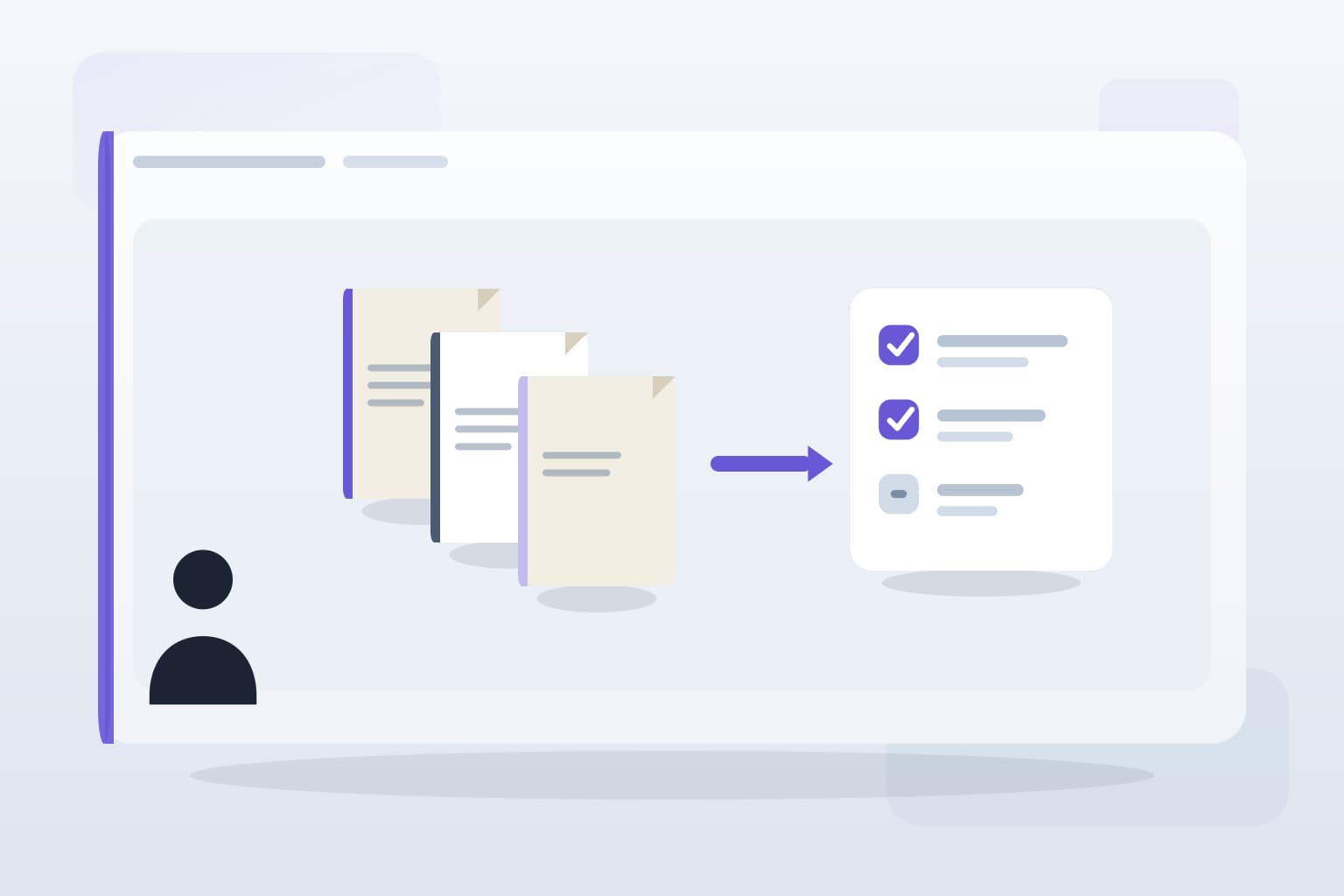
One of the most effective ways to streamline onboarding is to centralise document collection. Instead of relying on email or WhatsApp, implement a dedicated client portal where clients can upload required documents directly. This not only reduces the chaos of multiple communication channels but also provides a single source of truth for both your team and the client.
Consider integrating reminders within the portal to prompt clients about outstanding documents. This proactive approach can significantly reduce the time spent chasing clients for paperwork, allowing your team to focus on analysis and advisory services.
Standardise Your Onboarding Process
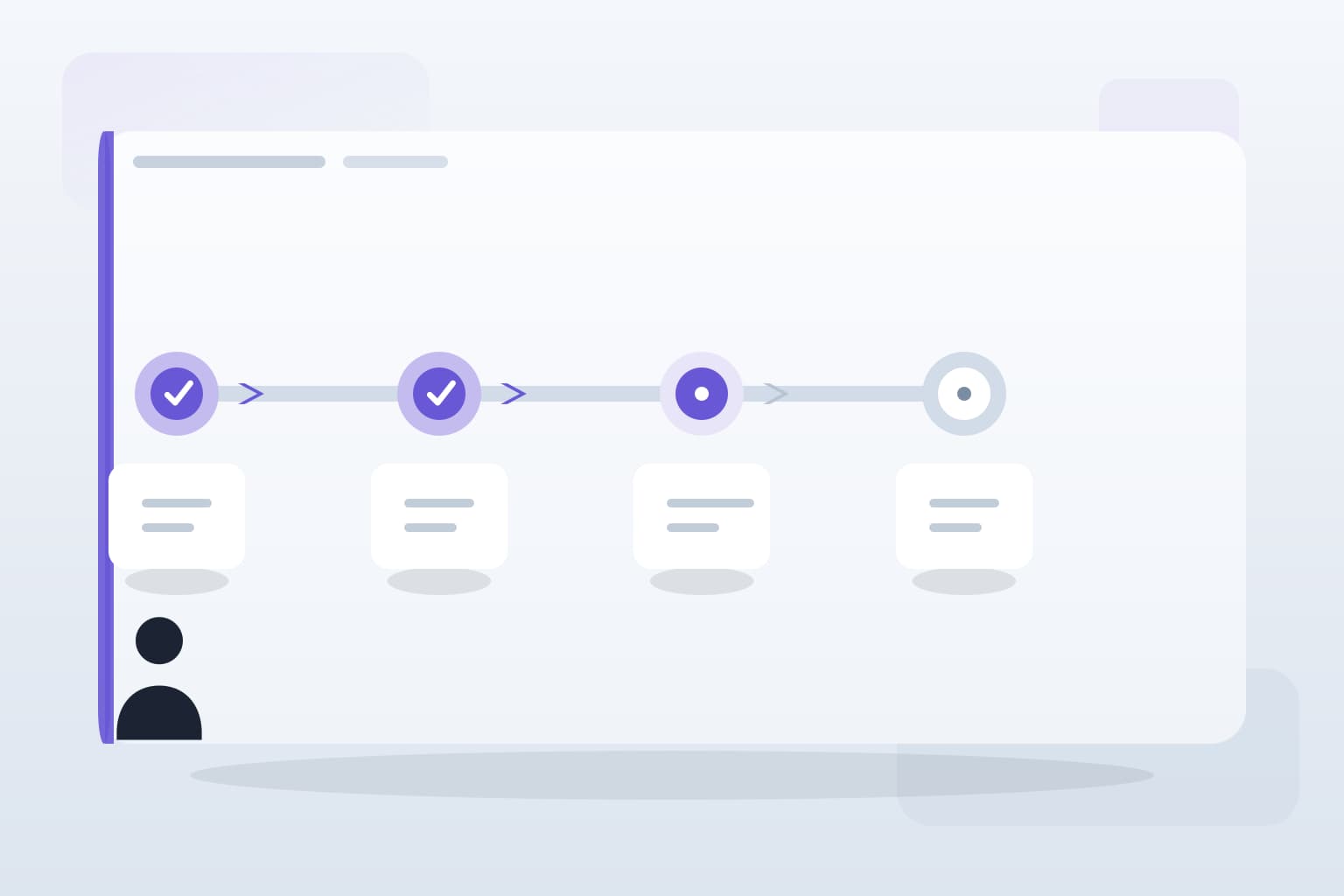
Another common pitfall is the lack of a standardised onboarding process. Each client should ideally follow the same pathway, with clear steps and timelines outlined. Create a checklist for your team that includes all necessary documents, deadlines, and communication points. This not only helps your team stay organised but also sets clear expectations for clients.
Utilising a project management tool can help track progress and ensure that no step is overlooked. This way, everyone involved knows what to expect and when, reducing the back-and-forth that often plagues onboarding.
Automate Routine Tasks
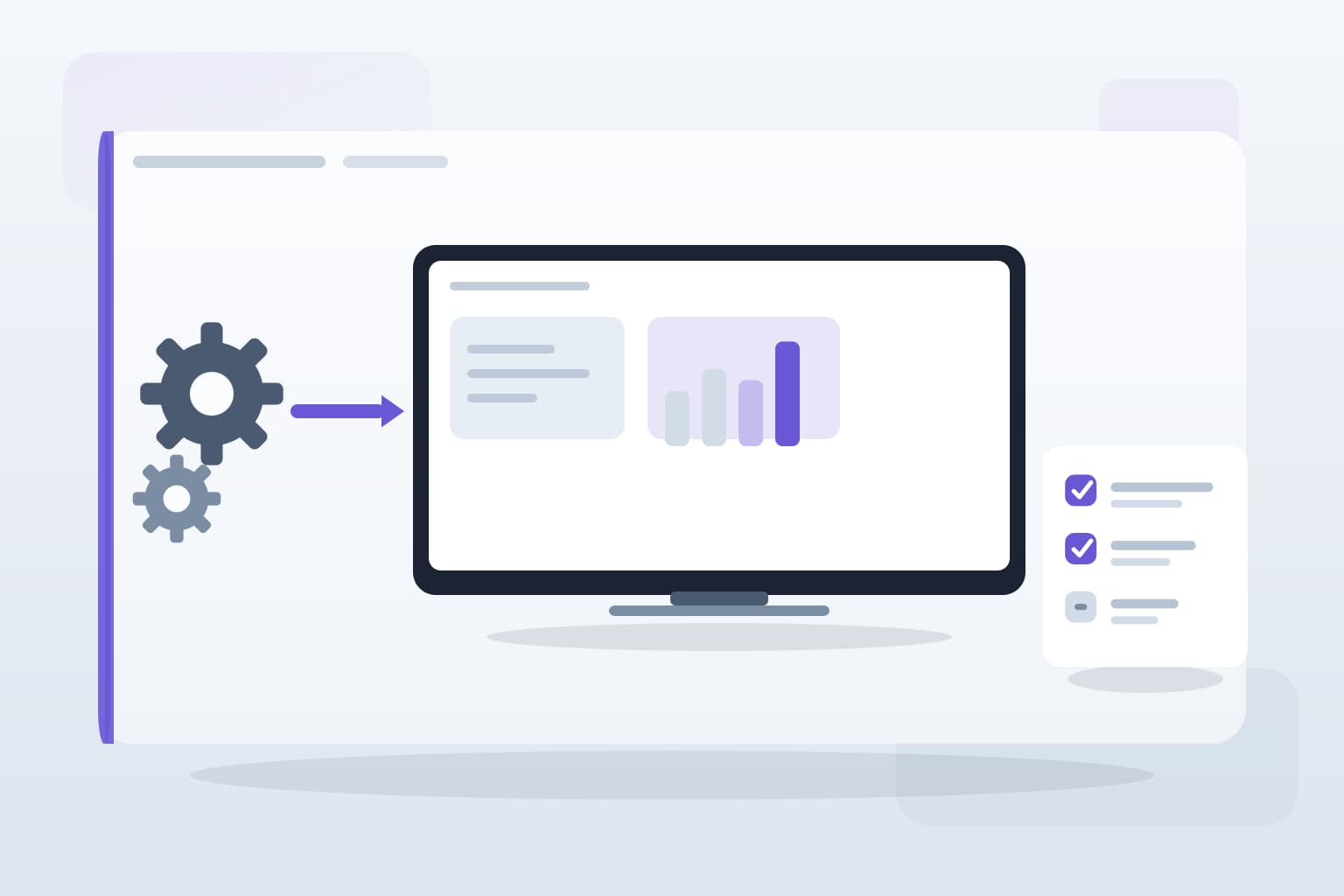
Automation can be a powerful ally in your onboarding process. Identify repetitive tasks that can be automated, such as sending welcome emails or reminders for document submissions. Tools like automated workflows can help streamline these processes, freeing up your staff to focus on higher-value tasks.
While automation is beneficial, ensure that it doesn’t replace the personal touch. Clients appreciate a friendly voice or a personal message, especially at the beginning of your relationship. Balance automation with personal communication to maintain strong client connections.
Monitor and Adapt Your Process
Finally, regularly review your onboarding process to identify areas for improvement. Gather feedback from your team and clients about their experiences. Are there common pain points? Are clients confused about what to do next? Use this information to refine your process continually.
Implementing a feedback loop can help you adapt quickly to changing client needs and expectations, ultimately leading to a more efficient onboarding experience.
Key takeaways
What to remember
The points worth carrying into your next pack cycle or process review.