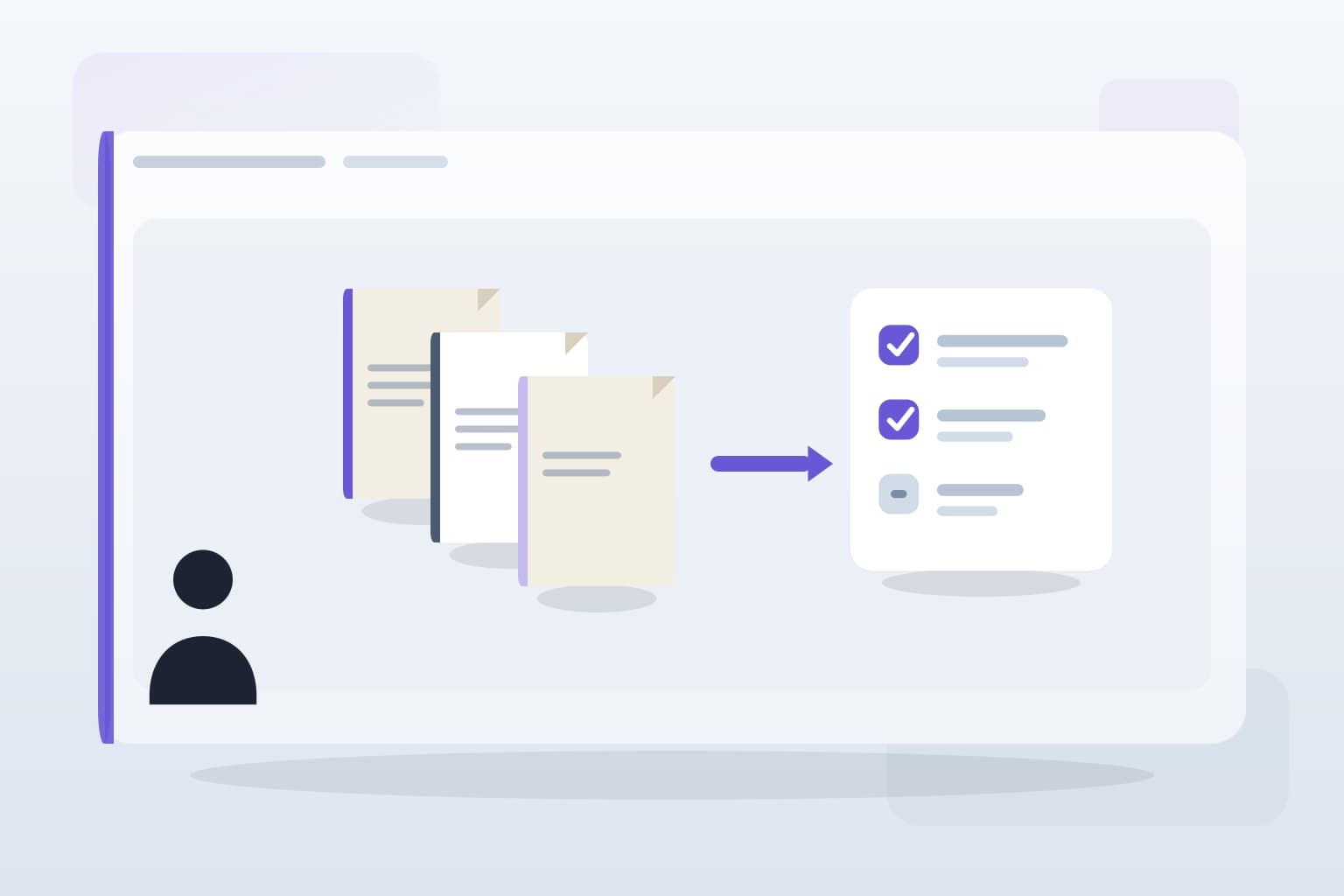
Picture this: it's the start of a new financial year, and your firm is already buried under a mountain of client documents. You're spending hours chasing down VAT packs and year-end statements, only to find them scattered across emails and WhatsApp messages. This chaotic onboarding process not only wastes time but also frustrates your clients, leaving them feeling disorganised and undervalued.
Improving your client onboarding is crucial. It sets the tone for your working relationship and can significantly reduce the time spent on administrative tasks. Here’s how to tackle the common pitfalls and create a smoother, more efficient onboarding experience.
Centralise Document Collection
One of the biggest frustrations for accounting firms is the endless chase for client documents. Instead of relying on emails and messages, implement a centralised document collection system. A dedicated client portal allows clients to upload their documents in one place, reducing the back-and-forth communication. This not only saves time but also ensures that all necessary documents are collected before the work begins.
Consider using a system that sends automated reminders to clients about upcoming deadlines. This proactive approach can significantly reduce the number of late submissions and the stress that comes with them.
Streamline Communication Channels
Chaos often arises when clients send documents through various channels, personal email, WhatsApp, or even text messages. Establish clear communication protocols that specify how clients should interact with your firm. This could mean designating a single email address for all client communications or encouraging the use of a secure messaging app linked to your practice management system.
By consolidating communication, you can ensure that all client inquiries and documents are logged in one place, making it easier to track progress and respond promptly.
Utilise Checklists for Onboarding
Creating a checklist for each client onboarding process can help ensure that no steps are missed. This checklist should include all necessary documents, forms, and information required for the client’s specific needs. Share this checklist with clients during the onboarding phase to clarify expectations and responsibilities.
Not only does this help clients understand what you need from them, but it also allows your team to monitor the onboarding process more effectively. You can easily identify which clients are lagging behind and follow up accordingly.
Integrate Your Tools
Disconnected tools can lead to inefficiencies and errors. Ensure that your practice management software integrates seamlessly with your accounting systems, such as Xero or QuickBooks. This integration allows for automatic updates and reduces the need for manual data entry, which is often a source of frustration.
When your systems talk to each other, it simplifies the onboarding process and allows your team to focus on what matters, providing excellent service to your clients.
Key takeaways
What to remember
The points worth carrying into your next pack cycle or process review.