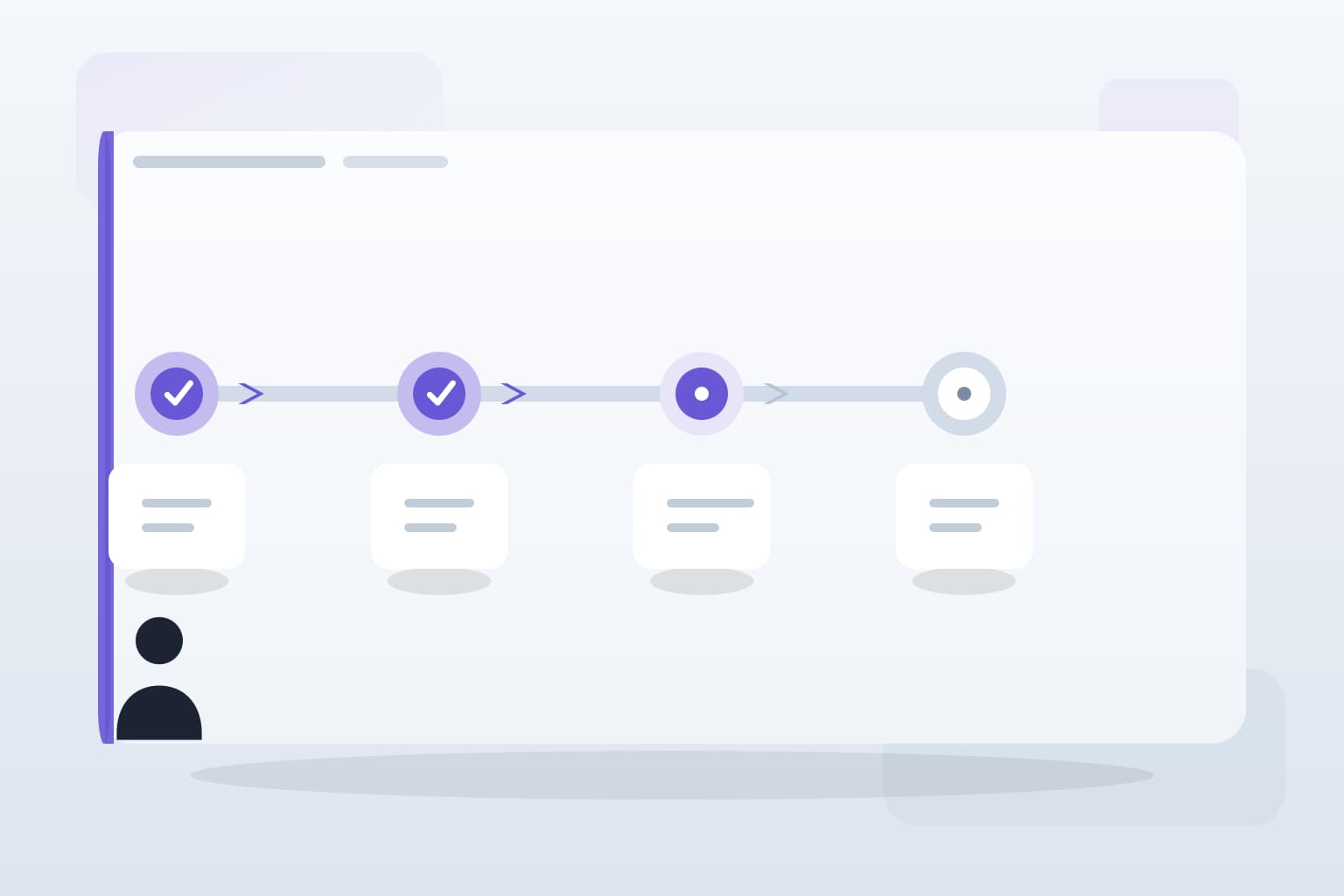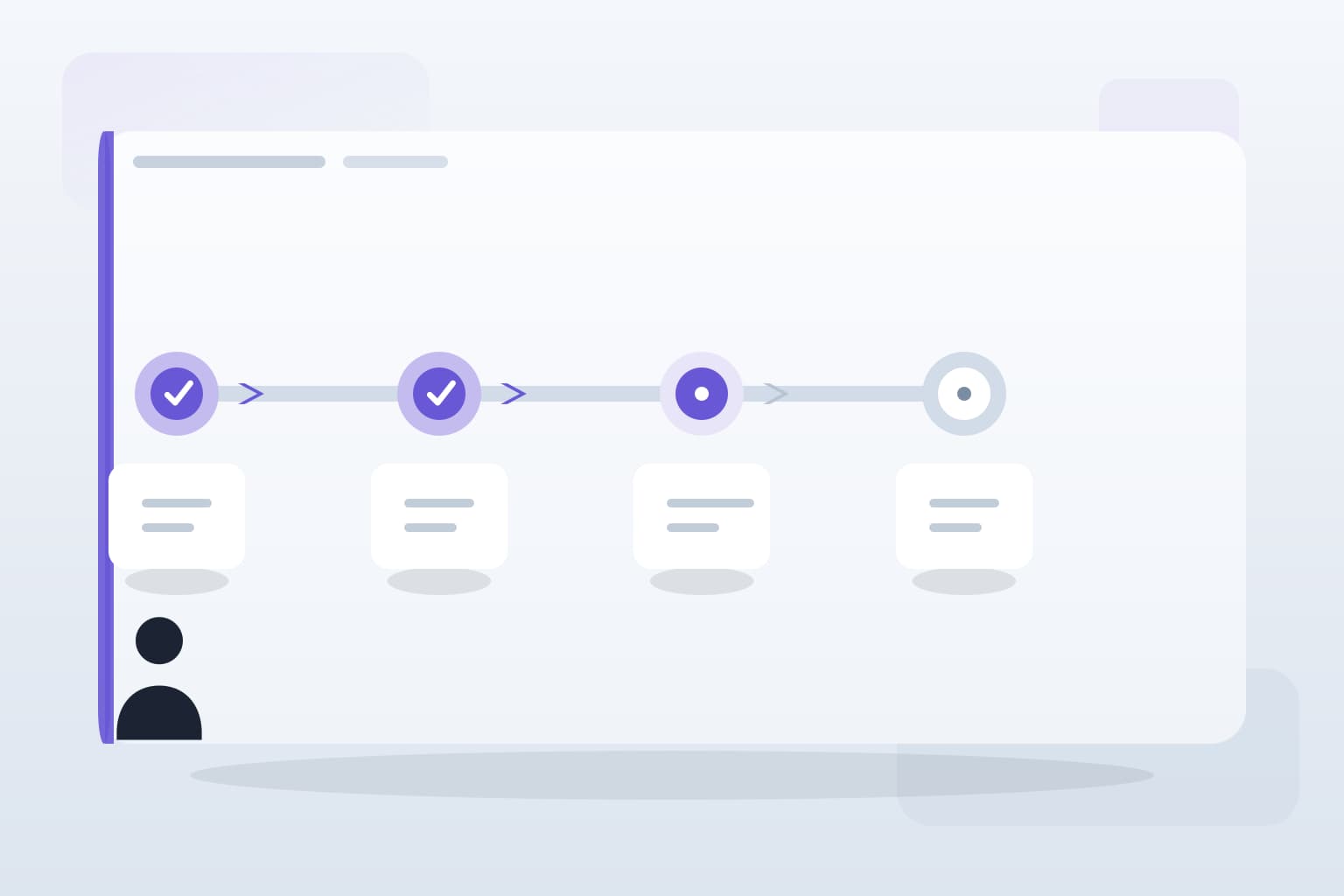
New client joins. Someone emails a pack of forms. Bank details come back in a different thread. ID checks sit in a shared drive. Three weeks later a partner asks why the engagement letter still isn't signed.
That is onboarding for a lot of growing UK practices. It is not laziness. It is a process held together by email memory and whoever happens to be free on a Tuesday.
Map the mess before you buy software
Write down what actually happens from first enquiry to first billable work. Not the tidy version in your quality manual. The real one, including the WhatsApp chase and the second request for the same passport scan.
You are looking for next steps. Every time work moves from receptionist to manager to partner to client and back, something gets dropped. Those next steps are where automation earns its keep.
Fix the intake pack, not the whole practice
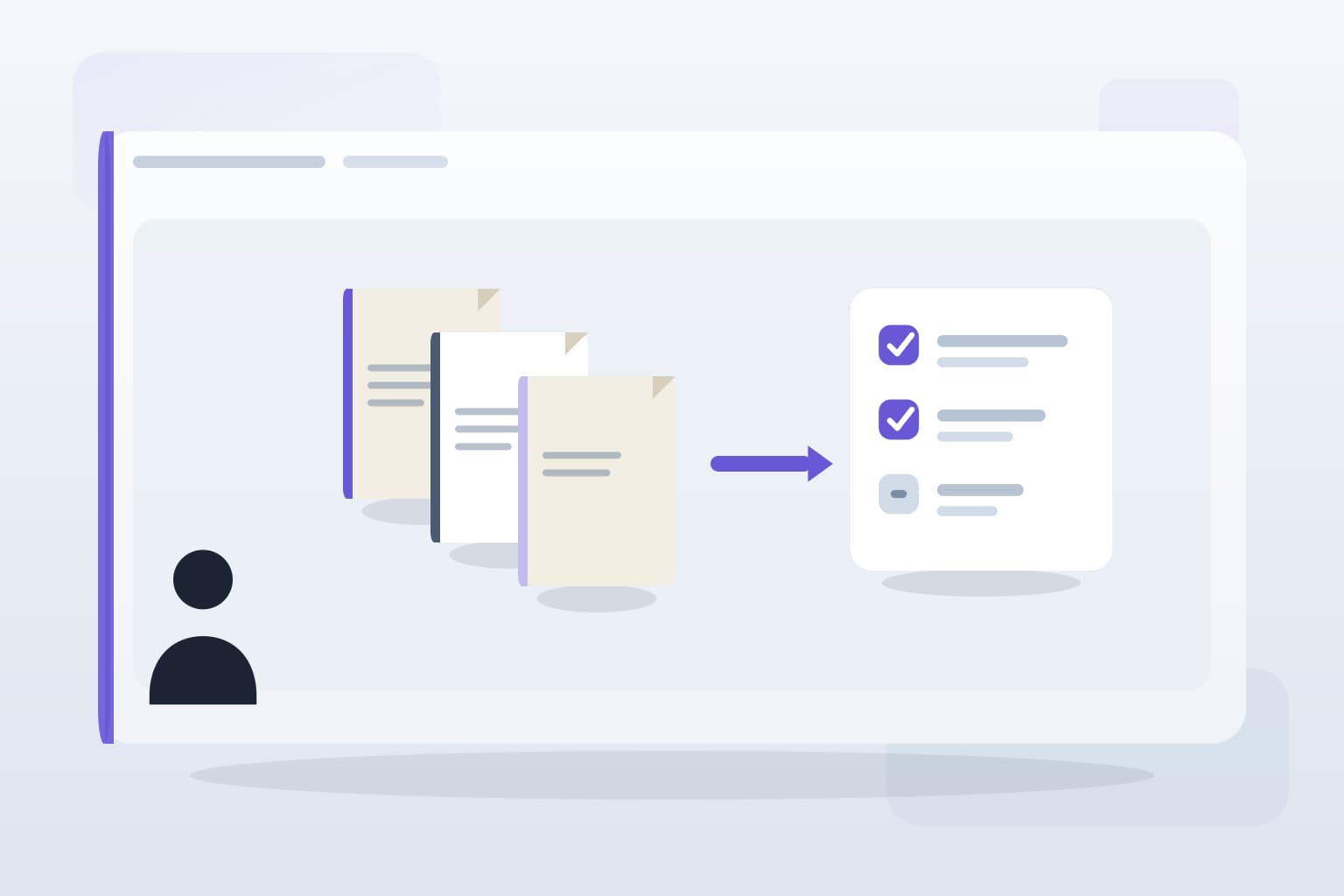
Most firms do not need a full practice management rebuild on day one. They need one structured intake: who the client is, services required, ID and AML checks, engagement letter, bank details, and the first document list.
Put that in a checklist the client can see. Staff should not be inventing a new process per client. Templates help, but a live checklist beats a Word doc buried in a folder.
Connect to what you already use
If accepted details still get retyped into Xero, QuickBooks, or your practice system, you have only moved the admin. The win is capturing once and pushing downstream.
Skip tools that force your team into a second login for everything. Integration matters more than a pretty form builder.
What good looks like after a month
Partners stop asking where a file is. Clients know what is outstanding without a phone call. Staff time shifts from chasing to reviewing.
If none of that moved, you automated the wrong step. Go back to the next steps, not the marketing brochure for the software.
Key takeaways
What to remember
The points worth carrying into your next pack cycle or process review.