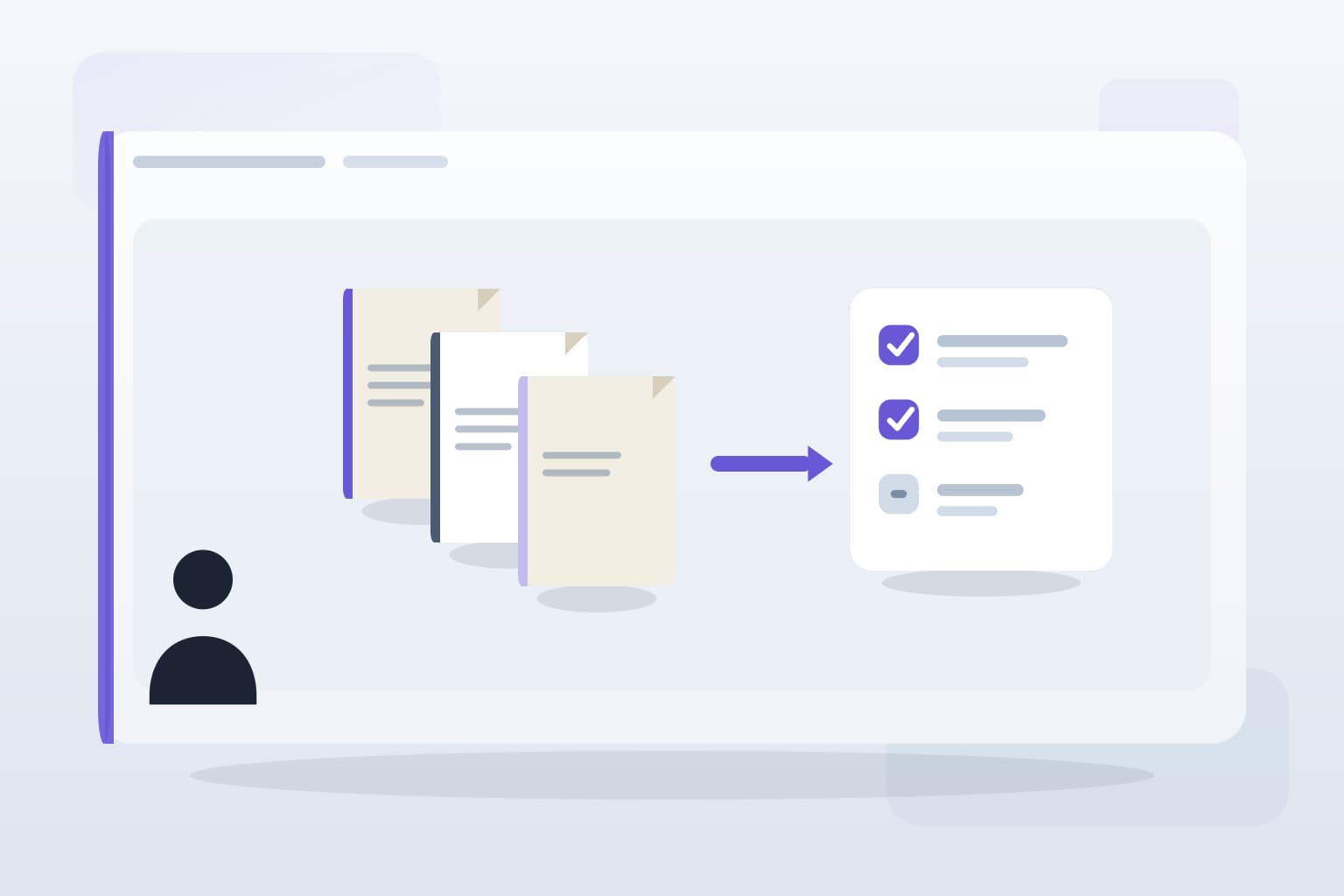
If document collection still means "send another email and hope", you already know the cost. Staff spend mornings chasing. Clients send the wrong year. Nobody is sure whether the bank statements arrived or landed in spam.
Automation here is not about fancy AI. It is about one place to request, upload, chase, and mark complete.
Where email quietly fails
Different clients reply to different people. Attachments sit outside your checklist. Status lives in someone's head or a spreadsheet that is already out of date by lunchtime.
Deadline weeks expose it. The work is not hard. The visibility is. You cannot manage what you cannot see in one list.
Build a request, not a drop box
A generic upload folder sounds simple and turns into chaos. Ask for named items per client and per period: VAT pack, year-end, payroll starter kit. Each item has a status: requested, uploaded, under review, accepted, rejected.
Clients should see what is left. Staff should sort by who is blocking the deadline. That alone cuts a surprising amount of noise.
Reminders without partners becoming the reminder
Schedule polite reminders from the system, not from a partner's personal inbox at 9pm. Keep the tone human. Keep the cadence predictable.
When a file is rejected, say why in plain English and ask again. Silent rejection is how clients stop engaging.
Measure the boring numbers
Track time from request to complete pack, number of chase touches, and how often staff re-key data from PDFs. If those do not move after launch, the portal is theatre.
Start with your highest-volume workflow. Prove it there. Then expand. Trying to collect every document type on week one usually stalls the project.
Key takeaways
What to remember
The points worth carrying into your next pack cycle or process review.