Peak season hits and the utilisation spreadsheet still says everyone is at 85%. Meanwhile partners are chasing bank statements on WhatsApp, re-checking junior packs, and declining advisory work they could bill. That is not a headcount problem yet. It is capacity leaking into admin that never shows up as a job code.
Most "capacity planning software" sold to accountants assumes you already have clean WIP and honest time sheets. Plenty of 5-40 person firms do not. Before you add another planning layer, fix the work that steals senior hours every week.
Measure the hours that never make the plan
Start with one honest week. Ask each partner and manager for chase time, re-check time, and "where is this pack" interruptions. Ignore perfect time-sheet purity. You want ranges: 3-6 hours chasing VAT evidence, 2-4 hours re-opening supposedly complete SA files.
Plot those hours against advisory or review work you turned down. That gap is your real capacity plan input. If chase and re-check dwarf scheduled production, hiring another junior without changing the system often adds more review load, not more throughput.
Push status and chase out of partner inboxes
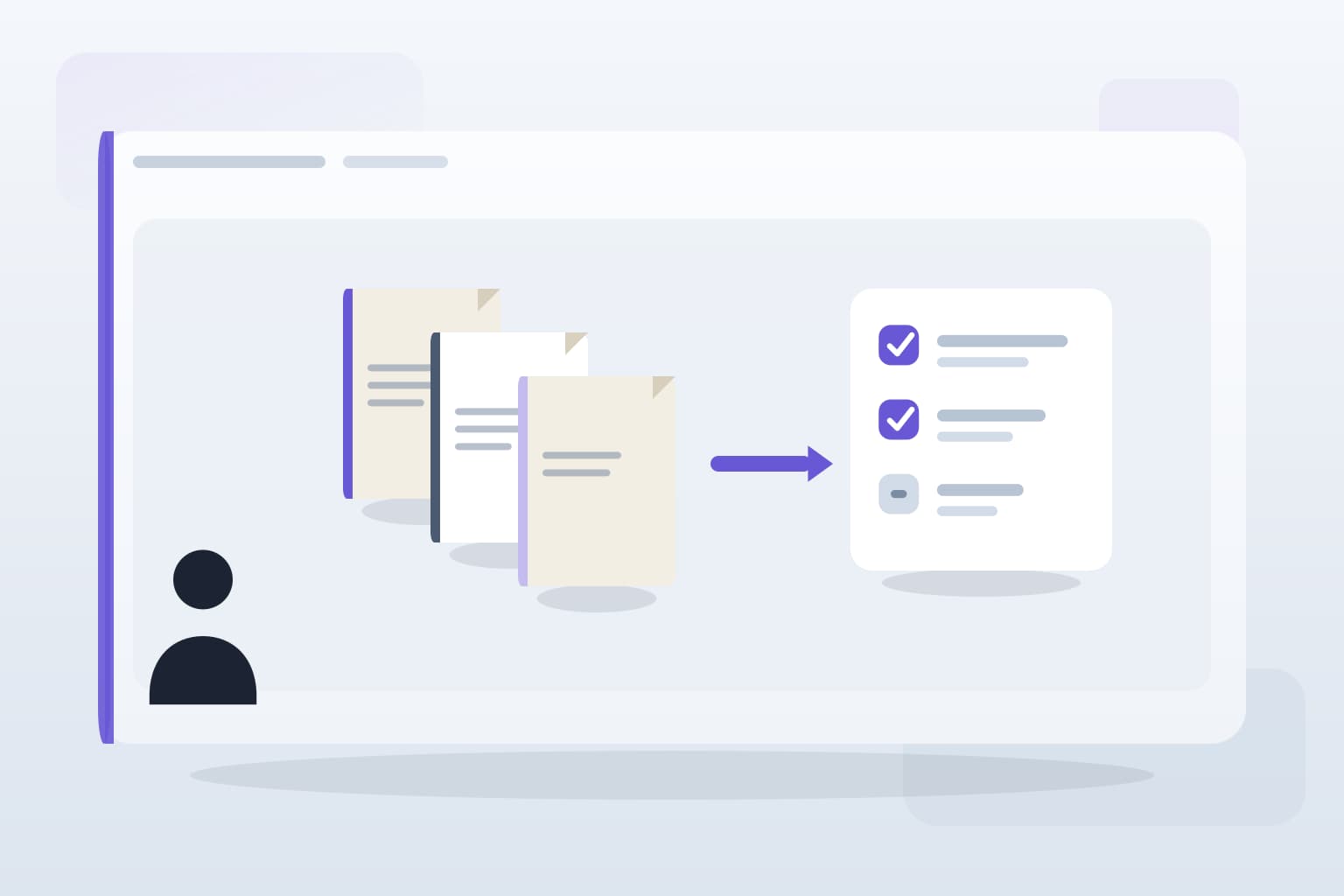
Capacity planning fails when the live picture of outstanding work lives in email threads. Clients reply to the partner. Juniors cannot see what is still missing. Managers rebuild the same status list every Monday.
A client portal or tracked request list changes the shape of the week: outstanding bank statements, receipts, and ID checks sit on the job, not in a partner phone. Reminders go to the client for the gaps only. Partners stop being the human status API. That is utilisation you can feel before any fancy forecast model.
Plan capacity around cycles, not calendar averages
UK practices do not run flat. VAT cycles, January Self Assessment, and year-ends cluster work. A monthly average utilisation chart hides the crunch. Plan capacity around those cycles: who owns chase in week two of VAT, who owns review in the final three days, what gets paused when SA peaks.
Write the plan as jobs and blockers, not only people percentages. "12 VAT packs still missing statements" is a capacity signal. "Team at 92% utilised" is not actionable on Thursday afternoon.
Only then add software for the plan itself
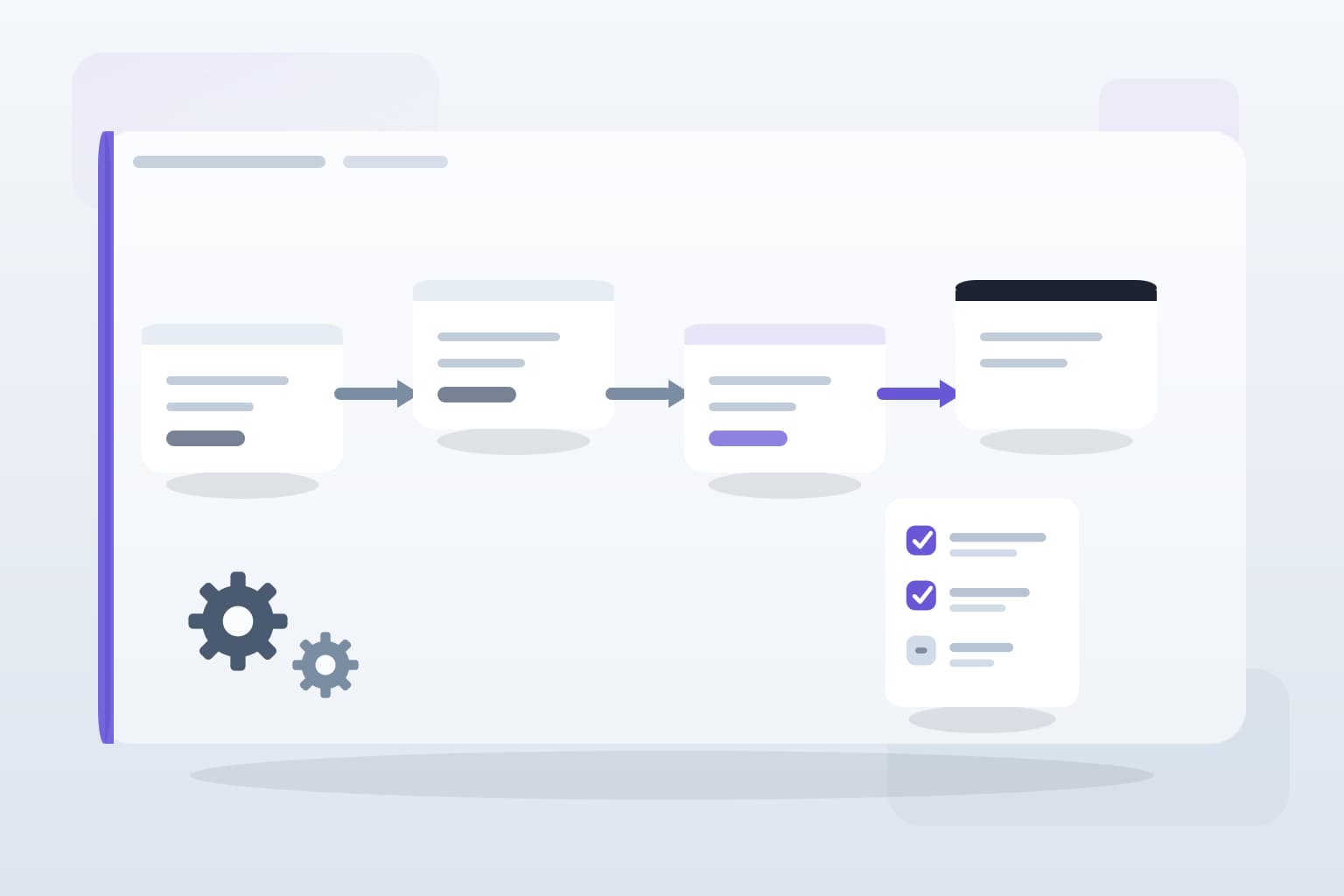
Once chase and status are visible, lightweight capacity tools help: simple WIP boards, deadline stress views, partner time reclaim estimates. Custom systems around Xero and your practice stack beat a generic resource planner that expects clean data you do not have yet.
Imajin Studios builds those practice systems around how the firm already works. Free discovery first if you want a clear picture of where hours leak before you hire or buy another dashboard. No invented utilisation guarantees, just a clearer ops map.
Key takeaways
What to remember
The points worth carrying into your next pack cycle or process review.