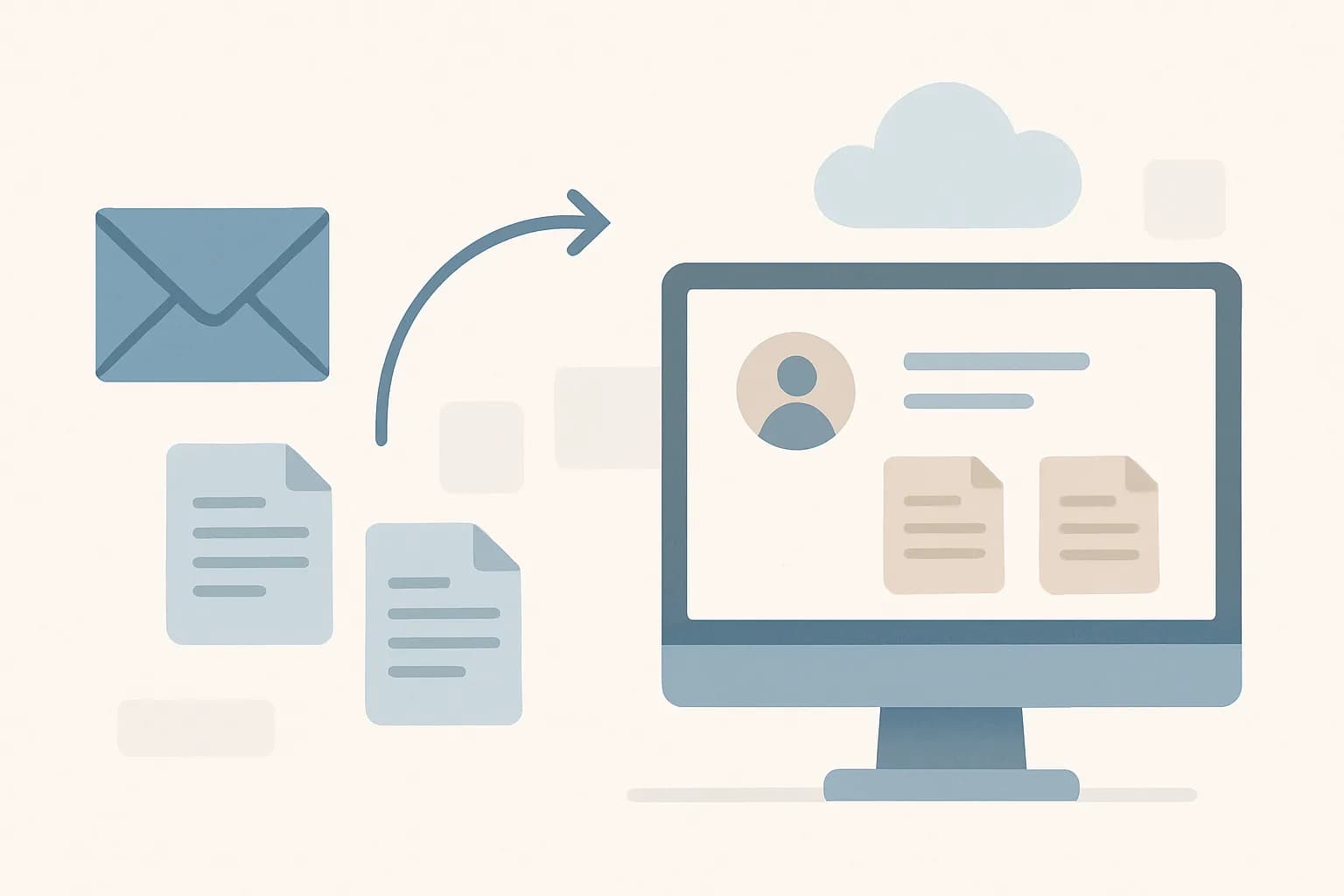
Most practices start with email and shared folders. It works until it doesn't, usually around the point where partners spend Friday afternoons chasing missing files instead of reviewing work.
A client portal isn't a luxury feature. It's the operational backbone that lets a practice grow without proportionally growing admin headcount.
What breaks with email-first collection
Clients send files to different addresses. Attachments get lost in threads. Partners can't see what's missing without opening a tracker, often another spreadsheet.
Deadline weeks become reactive. Staff chase instead of process. Errors creep in when the same data is re-keyed from PDFs into your practice system.
What a practical portal includes
Secure upload with file type validation. Structured requests per client and per period, not a generic drop box.
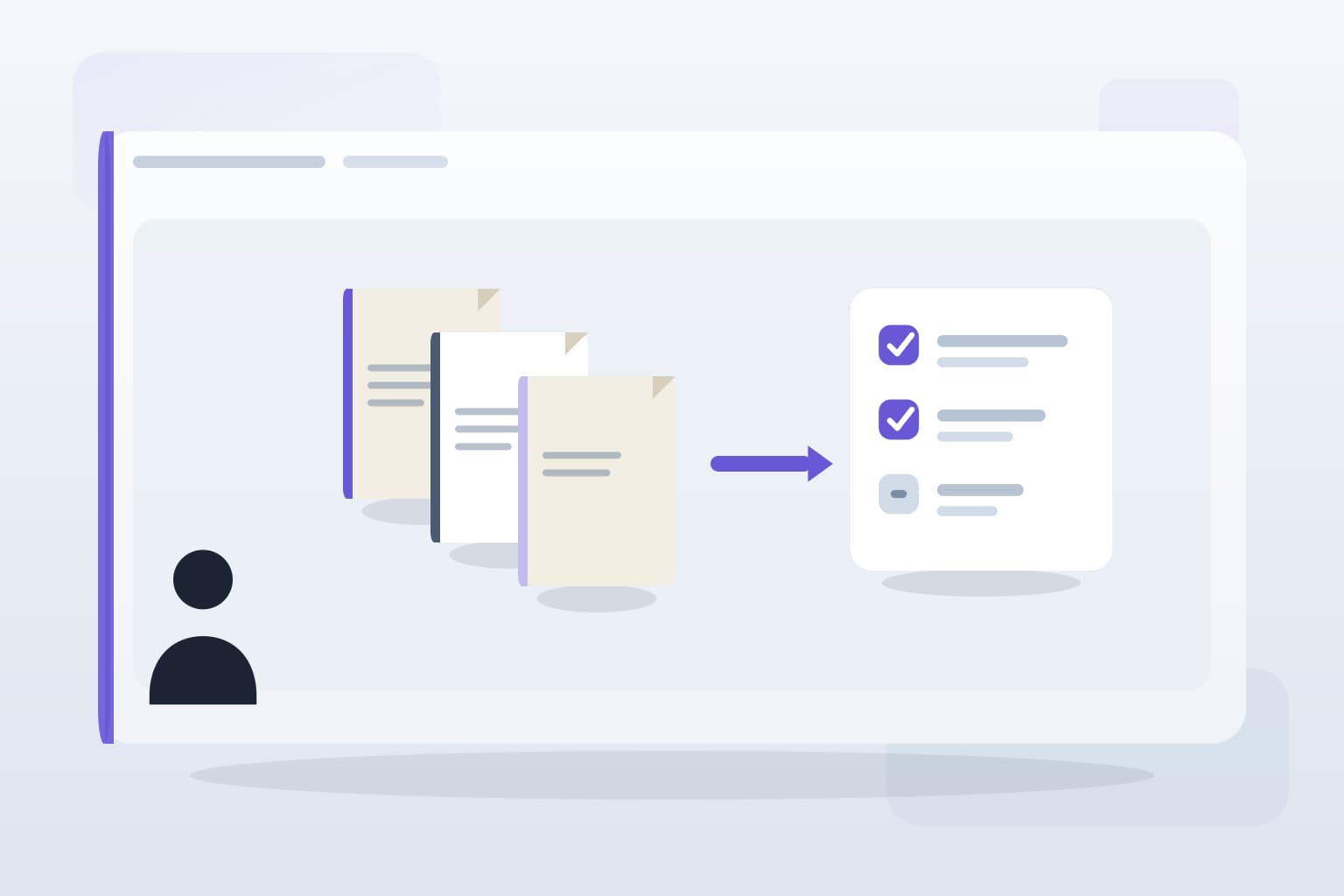
Real-time status for clients and staff. Everyone sees what's submitted, what's outstanding, and what's been reviewed.
Automated reminders on a schedule you control. Partners stop being the reminder system.
How to phase the build
Phase one: document intake and status for your highest-volume workflow, monthly accounts, VAT, or year-end packs.
Phase two: connect to your practice management system so accepted documents flow without re-entry.
Phase three: client messaging, approvals, and e-signatures where regulation allows.
Key takeaways
What to remember
The points worth carrying into your next pack cycle or process review.